Politics
Nevada Assembly Bill 342 Revises Sales Tax Sharing, Shifting Funds for Reno City Services
The change alters how a share of sales tax collections reaches the City of Reno, which uses the money for street repairs and public safety staffing in neighborhoods such as the Old Southwest and near the University of Nevada, Reno.
How we reported this
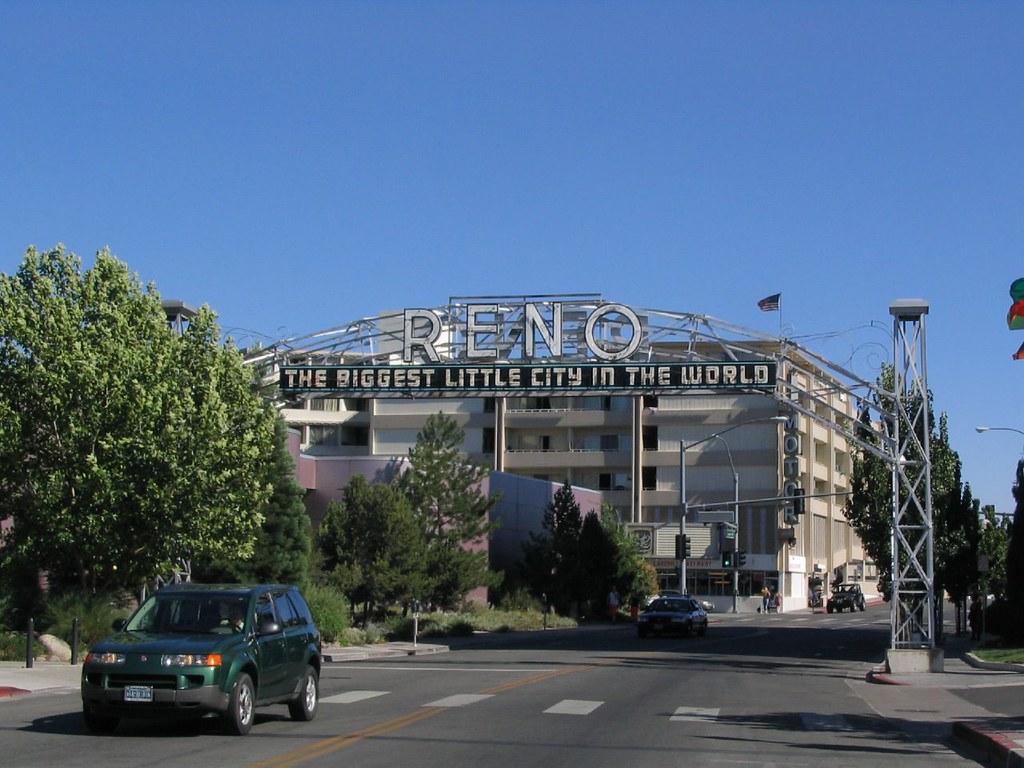
The Nevada Legislature passed Assembly Bill 342 during its 2025 session. The measure changes the formula that distributes a portion of statewide sales tax collections back to cities and counties. Reno receives a share of those funds each year for its general operations.
The adjustment arrives as Washoe County records steady growth in retail activity tied to tourism and local commerce. State revenue officials project the revised distribution will begin with the 2027 fiscal year. City budget documents list sales tax transfers as one of several recurring sources that support daily municipal functions.
Effects on daily services in Reno
City staff have indicated that the new allocation could require adjustments to the schedule for paving residential streets in districts east of the Truckee River. Public safety overtime accounts, which cover additional patrols around the Reno-Tahoe International Airport corridor, may also see revised amounts. Residents who rely on park maintenance crews at Idlewild Park or Rancho San Rafael could notice differences in the frequency of grounds work once the new numbers take effect.
Local government analysts note that the bill keeps the overall state share of sales tax unchanged. It only modifies the split that reaches individual municipalities. The City of Reno has used prior distributions to cover portions of its annual pavement management program and to retain sheriff’s deputies assigned to community policing beats.
Next steps and local review
The legislation requires the state controller to issue updated allocation tables by October 2026. Reno’s finance department will incorporate those figures into the proposed budget that the city council reviews each spring. Council members have scheduled a public workshop on the topic for September, where staff will present the projected dollar amounts for the coming cycle.
Policy analysts say the change will be tracked through the regular monthly revenue reports the city already publishes. Those reports compare actual collections against the amounts the state distributes under the updated formula. Any variance will appear in the quarterly updates the council receives before final budget adoption.