Politics
Nevada Legislature's 2025 Infrastructure and Workforce Bills Now Hitting Reno in Real Ways
From road funding formulas to apprenticeship pipelines, several bills passed in Carson City last year are now shaping jobs, transit and construction timelines across Washoe County.
How we reported this
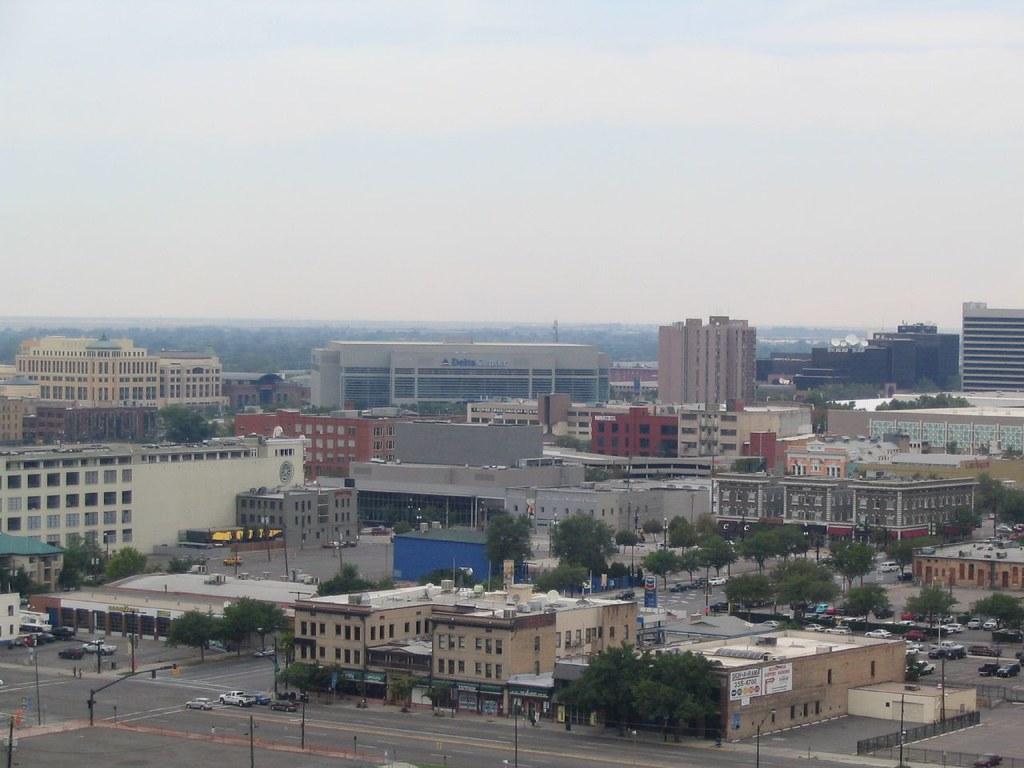
Three pieces of legislation passed during Nevada's 2025 legislative session are moving from statute into concrete effect across Reno this summer, touching highway maintenance contracts, workforce training eligibility and broadband expansion timelines. The bills, Senate Bill 268, Assembly Bill 414 and Assembly Bill 511, were signed into law by June 2025 and their implementation deadlines fall between July and December 2026, meaning Reno residents and employers are beginning to feel their practical weight now.
The timing matters because Washoe County is in the middle of a sustained construction cycle. The Regional Transportation Commission of Washoe County's 2025-2028 Transportation Improvement Program lists more than $340 million in planned roadway and transit projects across the metro area, and the state funding formulas embedded in SB 268 directly govern how much of that figure Carson City will underwrite versus what falls to local property and sales tax revenue. Any shift in the formula affects what gets built, and when.
Jobs and Workforce Training
AB 414 expands the eligibility criteria for the Governor's Office of Workforce Innovation, known as OWINN, by allowing workers displaced from the gaming and hospitality sectors to access pre-apprenticeship funding that was previously limited to construction trades. For Reno, that is a significant change. The Reno-Sparks Metropolitan Statistical Area recorded gaming and leisure employment of roughly 28,000 workers as of early 2026, according to the Nevada Department of Employment, Training and Rehabilitation. Many of those positions have faced automation pressure, and local workforce advocates note that the old eligibility rules left a gap for displaced casino floor workers who wanted to retrain for construction or logistics jobs tied to the ongoing development along the US-395 corridor. Under AB 414, those workers are expected to qualify for up to $5,000 in pre-apprenticeship stipends per participant beginning this fall.
AB 511 ties directly into broadband. The bill appropriated $62 million in state matching funds, intended to leverage federal Broadband Equity, Access and Deployment Program dollars. Washoe County has identified coverage gaps in several zip codes on Reno's north and east sides, including portions of 89506, where census data shows broadband adoption rates below 68 percent. The legislation requires the Nevada Governor's Office of Science, Innovation and Technology to publish a county-by-county deployment schedule by September 30, 2026. Until that schedule is released, specific build-out dates for underserved Reno neighborhoods remain unconfirmed, but the statute sets a hard deadline for project awards by March 2027.
Road Funding and What It Means for Commuters
SB 268 revised the state highway distribution formula, shifting a larger share of fuel tax receipts toward counties with populations between 100,000 and 500,000. Washoe County, with an estimated 2025 population of approximately 500,000 according to the Nevada State Demographer's Office, sits at the upper boundary of that band. The Nevada Department of Transportation projects the revised formula will direct an additional $11.4 million annually to Washoe County for road maintenance, compared to the prior allocation. Local transportation planners say that figure is expected to accelerate resurfacing work on arterials including North Virginia Street and East Fourth Street, both of which appear on the RTC's deferred maintenance list. Commuters on those corridors could see construction activity by late 2026 or early 2027, assuming contract procurement moves on schedule.
What happens next depends largely on state agency timelines. OWINN is expected to open the expanded pre-apprenticeship application portal in September 2026. GOIST's broadband deployment schedule, due by the end of September, will clarify which Reno neighborhoods are in the first funding tranche. NDOT's contract awards under the revised SB 268 formula are projected for the fourth quarter of 2026. Residents and businesses tracking these programs can follow updates through the Nevada Legislature's bill tracking portal and the RTC Washoe project dashboard, both of which are updated as procurement milestones are reached.